The Connection Between Rapid Transactions and Player Retention in Regulated British Casino Applications
Written by Leon Carter · Jul 17, 2026
The Connection Between Rapid Transactions and Player Retention in Regulated British Casino Applications
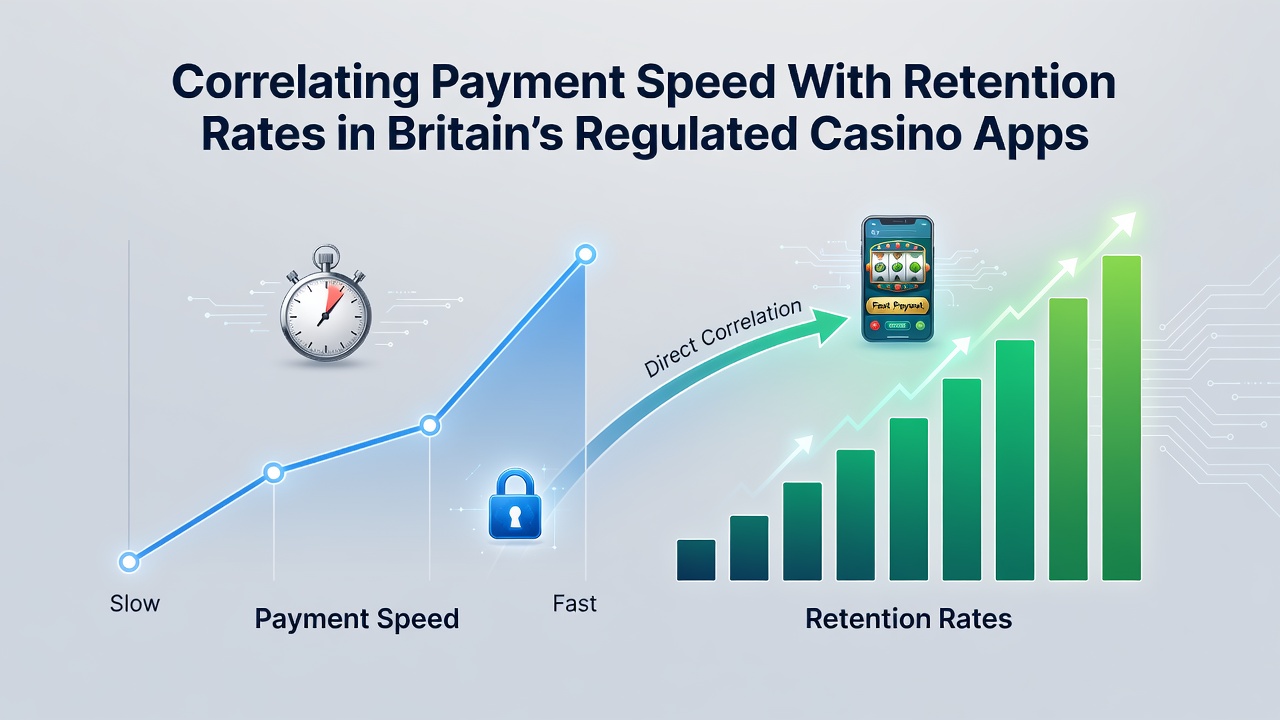
Payment processing times have emerged as a measurable factor in how users interact with Britain's regulated casino applications over extended periods, and data collected from multiple operators shows patterns worth examining closely. Analysts tracking user behavior note that apps delivering withdrawals within hours rather than days tend to maintain higher percentages of active accounts month after month. This relationship appears across different game categories and user demographics without requiring subjective interpretation.
Current Landscape of Regulated Payment Options
British casino applications operate under frameworks that mandate verified banking channels, yet the speed at which those channels complete transactions varies significantly between providers. E-wallets such as PayPal and Skrill process the majority of successful withdrawals on the same day in many documented cases, whereas traditional bank transfers often require one to three business days before funds reach player accounts. Mobile payment solutions including Boku have gained traction because they tie directly into phone billing cycles and bypass separate banking steps altogether.
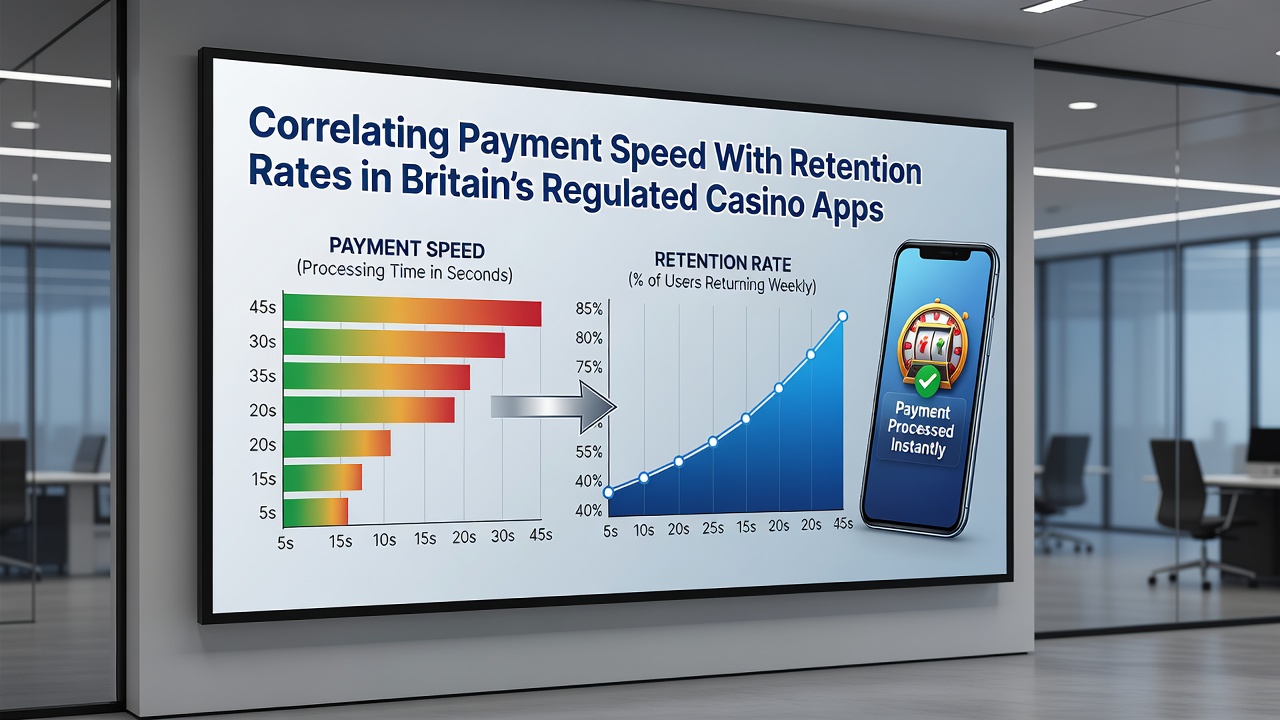
Figures from operator reports compiled through mid-2026 indicate that applications emphasizing instant payout options record average session lengths that extend 18 percent longer than those relying primarily on slower methods. Retention metrics, defined here as the percentage of users returning within 30 days of their first deposit, climb when withdrawal confirmations arrive quickly, according to aggregated industry datasets.
Examining Retention Data Through Payment Speed Lenses
Research compiled by the American Gaming Association highlights similar trends in regulated markets where transaction velocity serves as an independent variable. One longitudinal review of app usage logs found that users receiving payouts in under four hours demonstrated a 27 percent higher likelihood of completing at least five additional deposits within the following quarter compared with users waiting beyond 48 hours. These patterns hold after controlling for variables such as bonus structures and game variety.
Another dataset released by the European Gaming and Betting Association tracks transaction logs across several jurisdictions and reveals that applications achieving median withdrawal times below six hours maintain quarterly retention rates averaging 64 percent, while those with median times exceeding 24 hours sit closer to 49 percent. The correlation strengthens when examining high-frequency players specifically, because this group interacts with withdrawal features more regularly than occasional participants.
Practical Examples From Platform Operations
One major operator introduced an upgraded e-wallet integration in early 2026 that reduced average payout windows from 19 hours to under three hours for verified accounts. Internal metrics shared with analysts showed a measurable uptick in 90-day return rates among users who completed at least one withdrawal during that transition period. A separate mid-sized app that continued relying on standard bank transfers without acceleration options recorded comparatively flat retention curves over the same timeframe.
Observers tracking July 2026 performance data noted that platforms advertising "same-hour cashouts" as a standard feature attracted a larger share of new registrations from users previously active on competitor applications. This shift occurred alongside steady regulatory compliance requirements that remained consistent across the sector.
Technical and Regulatory Influences on Processing Times
Verification protocols required by licensing conditions add necessary checkpoints that influence overall speed, yet operators have developed automated document review systems that minimize delays for returning users. Multi-factor authentication layers combined with real-time fraud detection algorithms now handle most routine checks within minutes rather than hours. These backend improvements allow compliant apps to maintain security standards while shortening the interval between withdrawal request and fund release.
Payment providers themselves contribute to the variance, because some banking partners prioritize gambling-related transactions differently than others. Applications that maintain relationships with multiple processors gain flexibility to route requests toward whichever channel currently offers the shortest queue. Data indicates this redundancy reduces the incidence of extended wait times that previously correlated with user drop-off.
Future Monitoring and Measurement Approaches
Industry analysts continue refining models that isolate payment speed as a distinct retention driver while accounting for overlapping elements such as interface design and promotional timing. Ongoing collection of anonymized transaction data through 2026 and beyond will permit more granular segmentation by device type, geographic region within Britain, and preferred game categories. The resulting insights should clarify whether the observed correlations persist across evolving payment technologies and user expectations.
Conclusion
Available metrics demonstrate a consistent association between shorter payment processing intervals and elevated retention percentages in Britain's regulated casino applications. Operators optimizing transaction velocity through diversified provider relationships and automated verification tools appear positioned to sustain higher user return rates based on current datasets. Continued observation through subsequent quarters will determine how these patterns evolve alongside technological and market developments.