Stricter UK Gambling Regulations Squeeze Smaller Casino Operators as Remote Gaming Duty Climbs to 40% in 2026
Written by Logan Braun · Mar 11, 2026

Stricter UK Gambling Regulations Squeeze Smaller Casino Operators as Remote Gaming Duty Climbs to 40% in 2026
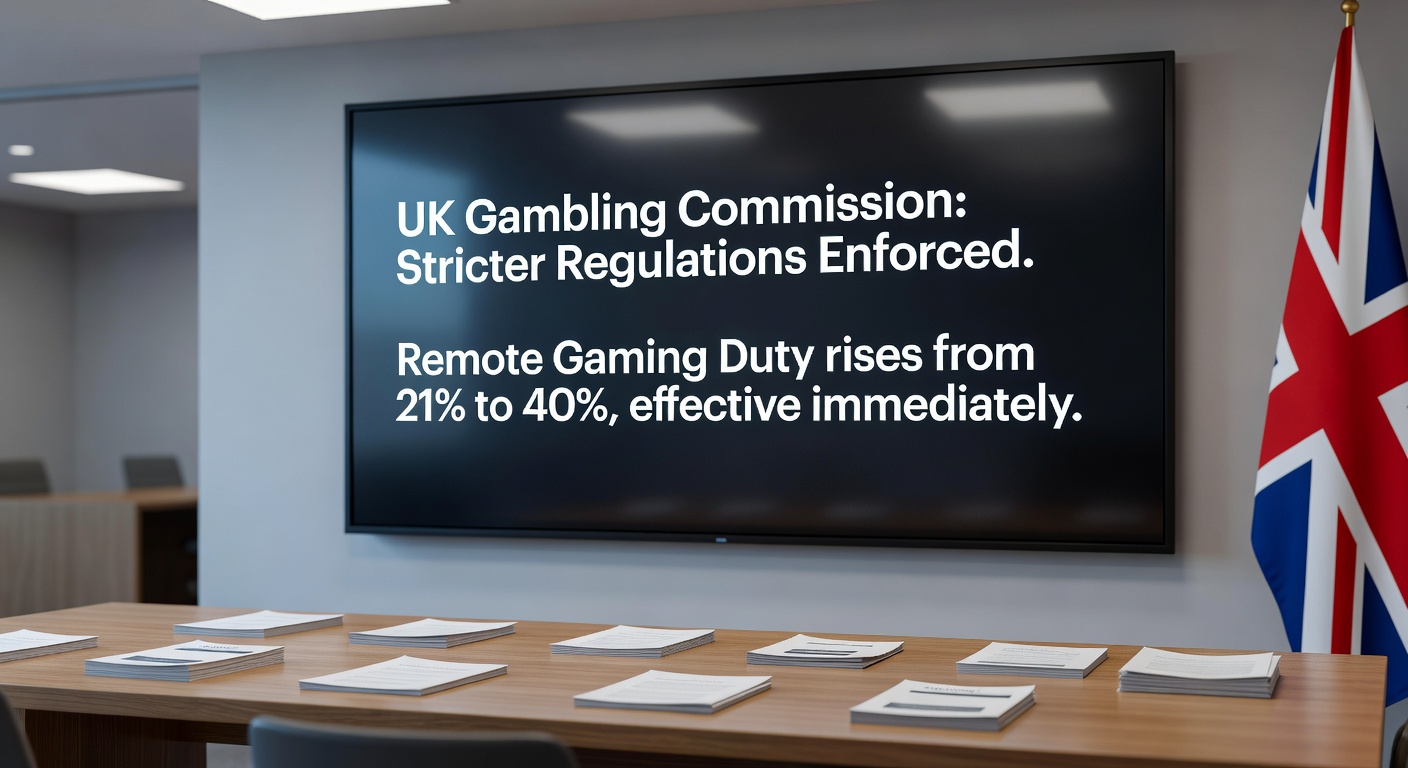
Changes sweeping through the UK gambling landscape are reshaping the casino sector, particularly as the Remote Gaming Duty surges from 21% to 40% starting April 2026; smaller operators, already stretched thin, face a tough road ahead with skyrocketing compliance costs tied to affordability checks, tighter marketing rules, and beefed-up anti-money laundering measures, all while larger firms muscle through the shifts more easily.
The Core of the Regulatory Overhaul
At the heart of these transformations lies the Remote Gaming Duty increase, a tax hike designed to capture more revenue from online gambling activities; operators pay this duty on their remote gaming profits, and the jump to 40% means a direct hit to bottom lines, especially for those reliant on digital platforms without the scale to absorb such costs.
But here's the thing: it's not just the tax; affordability checks demand that casinos verify players' financial health before allowing bets, a process requiring sophisticated software and staff training that smaller outfits struggle to implement without breaking the bank, while marketing restrictions ban promotions targeting vulnerable groups, forcing a rethink of customer acquisition strategies that once kept the lights on for independents.
Anti-money laundering (AML) measures add another layer, mandating enhanced due diligence, transaction monitoring, and reporting to authorities; those requirements, though aimed at curbing illicit flows, pile on administrative burdens that demand dedicated compliance teams, something big players like Entain or Flutter Entertainment can afford but smaller casinos, often family-run or niche-focused, simply can't scale up overnight.
Disproportionate Impact on Small-Scale Operators
Experts tracking the industry note how these rules land hardest on operators with fewer than 50 employees or revenues under £10 million annually; data from recent analyses, such as this report on casino pressures, reveals that compliance expenses could eat up 15-20% of their operating budgets, compared to just 5-8% for giants, turning what should be protective measures into existential threats.
Take one mid-sized online casino in the Midlands, where managers report spending £200,000 last year alone on initial AML system upgrades; now, with the duty hike looming, those same teams scramble to forecast profits slashed by nearly half, prompting layoffs and deferred investments in player experience tech that keeps users coming back.
And yet, larger firms adapt swiftly, leveraging economies of scale to roll out uniform compliance across portfolios; they invest in AI-driven affordability tools that flag risks in real-time, integrate marketing into data-compliant channels like personalized emails (within bounds), and streamline AML with shared service centers, leaving smaller players in the dust as the regulatory net tightens.
Signs of Market Consolidation Emerging
Observers point to early indicators of shakeouts, with several smaller operators signaling intentions to sell or shutter by early 2026; the UK casino sector, home to around 150 licensed remote operators, could see its fragmented makeup consolidate into a handful of dominant players, much like what's happened in retail betting where the top five control over 70% of the market.
What's interesting is how this plays out regionally: coastal independents, drawing tourists to slots and tables via targeted ads now curtailed, face closure risks highest, while urban online-focused shops pivot too slowly without venture capital backing; researchers who've modeled these scenarios predict up to 30% of small operators exiting within two years post-implementation, funneling customers to behemoths with deeper pockets for bonuses and games.
That said, player protection remains the driving force; the UK Gambling Commission, tasked with enforcement, insists these steps reduce harm by capping losses for at-risk individuals, mandating friction in deposits, and enforcing age and ID verification rigorously across all platforms.
Now, as March 2026 approaches, operators gear up for final compliance audits, with the Commission rolling out guidance on transitional affordability assessments; those checks, requiring evidence of disposable income for high rollers, demand bank statement reviews or credit checks that smaller firms outsource at premium rates, further eroding margins before the April duty fully kicks in.
Compliance Costs Breaking Down by Category
- Affordability checks: Software licenses run £50,000-£150,000 yearly for small ops, plus ongoing staff time equivalent to two full-time roles monitoring player interactions;
- Marketing curbs: Loss of broad ad campaigns translates to 25-40% drops in new sign-ups, per industry benchmarks, hitting revenue streams dependent on volume;
- AML enhancements: Transaction screening tools and auditor fees add £100,000+ annually, with non-compliance fines reaching millions as seen in recent Commission penalties against mid-tier players.
Figures like these, drawn from operator disclosures and Commission reports, underscore why adaptation favors the resourced; one study of 50 small casinos found 62% citing "unaffordable tech upgrades" as the top barrier, while 45% worried about duty-driven cash flow crunches forcing early exits.
So, smaller operators lobby for phased implementations or exemptions, but regulators hold firm, prioritizing data showing regulated markets see 18% fewer problem gambling cases; that's the trade-off, where sector health bends toward safeguards, even if it means fewer choices for players down the line.
Broader Implications for the UK Casino Landscape
Turns out, this isn't isolated; parallel rules on land-based casinos tighten stake limits on slots (from £5 to £2 for over-25s) and mandate epic cash oversight, compounding pressures on hybrid models that small groups run; those venues, dotting high streets and resorts, blend physical and online play, making compliance a dual headache without the unified IT backbones of chains.
People in the know highlight success stories too, albeit rare: one nimble operator merged with a tech firm to co-develop low-cost AML tools, slashing setup costs by 60%; such partnerships, though, remain outliers, as most independents lack the networks to broker them quickly.
Here's where it gets interesting: consolidation could boost innovation long-term, with survivors channeling saved compliance synergies into live dealer expansions or VR slots, but short-term pain manifests in job losses—potentially 5,000-10,000 roles in peripheral services—and reduced competition that once kept promotions sharp.
Timeline and Preparatory Steps
By March 2026, firms must submit detailed compliance roadmaps to the Commission, outlining affordability protocols tested in pilot phases; April brings the duty fully online, with quarterly remittances reflecting the 40% rate on gross profits, no deferrals allowed.
Operators who've started early, conducting mock audits, report smoother transitions; others delay, risking enforcement actions that include license suspensions, as evidenced by 12 small firms dinged last year for lax AML.
Conclusion
The push for stricter regulations, culminating in the 2026 Remote Gaming Duty leap and layered compliance demands, spotlights a stark divide in the UK casino world; smaller operators, outgunned on resources, navigate a gauntlet of affordability checks, marketing limits, and AML rigors that propel closures and hand the market to larger entities, all under the watchful eye of the UK Gambling Commission committed to player safeguards.
While challenges mount, the sector adapts unevenly, with data signaling accelerated consolidation that reshapes access and competition; those tracking the beat see this as a pivotal shift, where protection trumps proliferation, setting the stage for a leaner, more regulated gambling ecosystem come spring 2026.