Progressive Jackpot Networks Bridge Licensed Operators Across Regions to Expand Slot Prize Opportunities
Written by Leon Carter · Jul 13, 2026
Progressive Jackpot Networks Bridge Licensed Operators Across Regions to Expand Slot Prize Opportunities
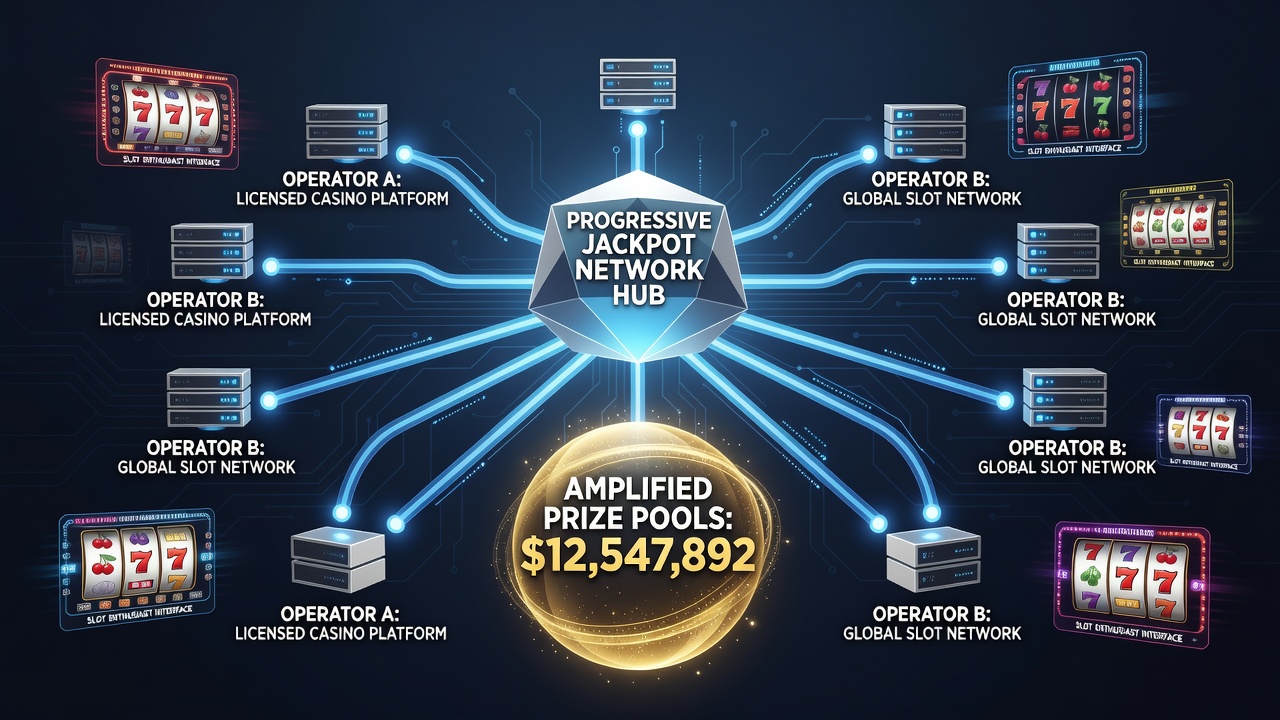
Progressive jackpot networks operate by linking slot machines from various licensed operators into shared prize pools that grow with each wager placed across participating sites, and this structure allows contributions from numerous players to accumulate into substantial payouts that individual venues could not generate alone. Operators integrate their games through central servers managed by software providers or network administrators who track contributions in real time while ensuring compliance with licensing requirements in each jurisdiction.
Mechanics of Network Integration
Software platforms handle the technical connections by routing a percentage of every bet from connected slots into a common jackpot meter, and licensed operators must meet specific technical standards to join these systems without disrupting local regulatory frameworks. Multiple sites feed data into the network simultaneously so the prize pool reflects activity from a wide player base rather than a single location, and this setup creates the conditions for jackpots to reach millions because the volume of play scales across operators.
Networks often span several countries where gambling authorities permit such arrangements, and each participating operator maintains its own licensing while adhering to the shared technical protocols that prevent tampering or unauthorized access. Data from these systems updates continuously to reflect current pool sizes, and players see the escalating amounts displayed on their screens regardless of which operator hosts their session.
Contribution Structures and Pool Growth
A fixed portion of each wager, typically ranging from one to five percent depending on the game configuration, transfers to the progressive meter while the remainder supports base game payouts and operator revenue, and this allocation model ensures steady growth without requiring any single venue to shoulder the full liability. When a jackpot triggers the winning combination resets the meter to a seed amount that restarts the accumulation cycle, and the process repeats as new contributions arrive from the connected operator network.
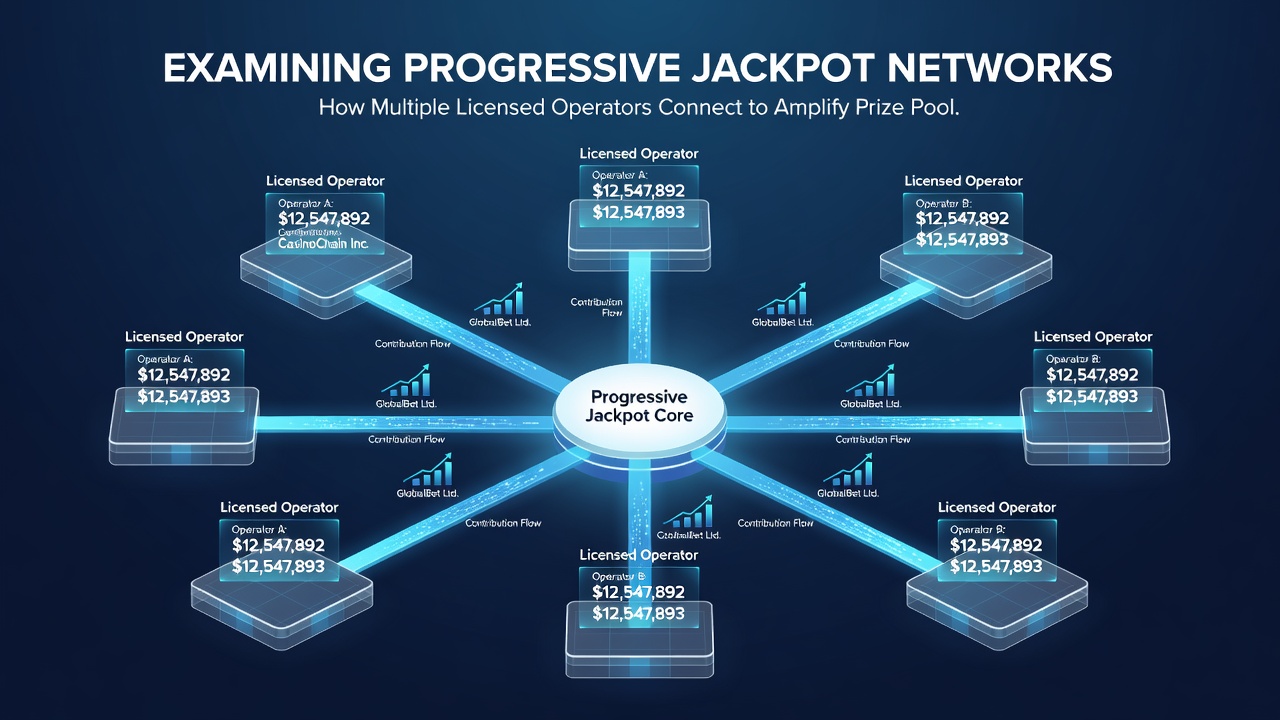
Observers note that larger networks tend to produce more frequent high-value triggers because the increased number of spins raises the statistical probability of hitting the required combination, and this dynamic benefits both operators who gain visibility from advertised big wins and players who access elevated prize potential. Reports from industry analyses indicate that networks with over fifty connected operators can generate pools exceeding ten million units within weeks when player volume remains consistent across regions.
Regulatory Oversight in Multiple Jurisdictions
Licensing bodies in various regions require operators to demonstrate that network participation does not compromise local player protection standards, and these agencies review the software providers' security measures along with the methods used to allocate and distribute winnings. In July 2026 several markets updated their reporting requirements for cross-operator jackpot systems to include more detailed transaction logs that track contribution sources and payout destinations.
Operators submit periodic audits that verify the integrity of the shared meters, and these reviews help maintain transparency while allowing the networks to function across borders under separate regulatory umbrellas. Data from sources such as the Nevada Gaming Control Board shows steady participation growth in multi-site jackpot arrangements within permitted frameworks, and similar patterns appear in reports compiled by the Responsible Gambling Council in Canada.
Player Access and Game Variety
Slot enthusiasts gain entry to these amplified pools through standard game interfaces that display the current jackpot value alongside regular paytables, and many titles within the networks offer different volatility levels while feeding the same progressive meter. Players at smaller licensed sites therefore compete for the same top prizes as those at larger venues, and this equalization effect stems directly from the pooled contribution model rather than differences in individual operator scale.
Networks typically feature dozens of game variants that all contribute to one or more jackpot tiers, and software updates can add new titles without resetting existing pool values. Those who study these systems often find that the variety encourages repeated play across different operators because the shared prize potential remains constant regardless of the specific game chosen.
Conclusion
Progressive jackpot networks function through coordinated technical links between licensed operators that channel bet portions into shared pools, and this arrangement produces prize amounts scaled by collective participation volume. Regulatory bodies across regions continue to monitor these systems to ensure compliance, while software providers maintain the infrastructure that supports ongoing growth and secure distribution of winnings. The structure delivers measurable expansion of available prizes for slot players connected to any participating operator within the network.