Phone Bill Betting Takes Off: How Boku and Payforit Are Powering the UK Mobile Casino Surge
Written by Jordan Schmitz · Mar 16, 2026
Phone Bill Betting Takes Off: How Boku and Payforit Are Powering the UK Mobile Casino Surge
The Shift to Seamless Mobile Deposits in UK Gambling
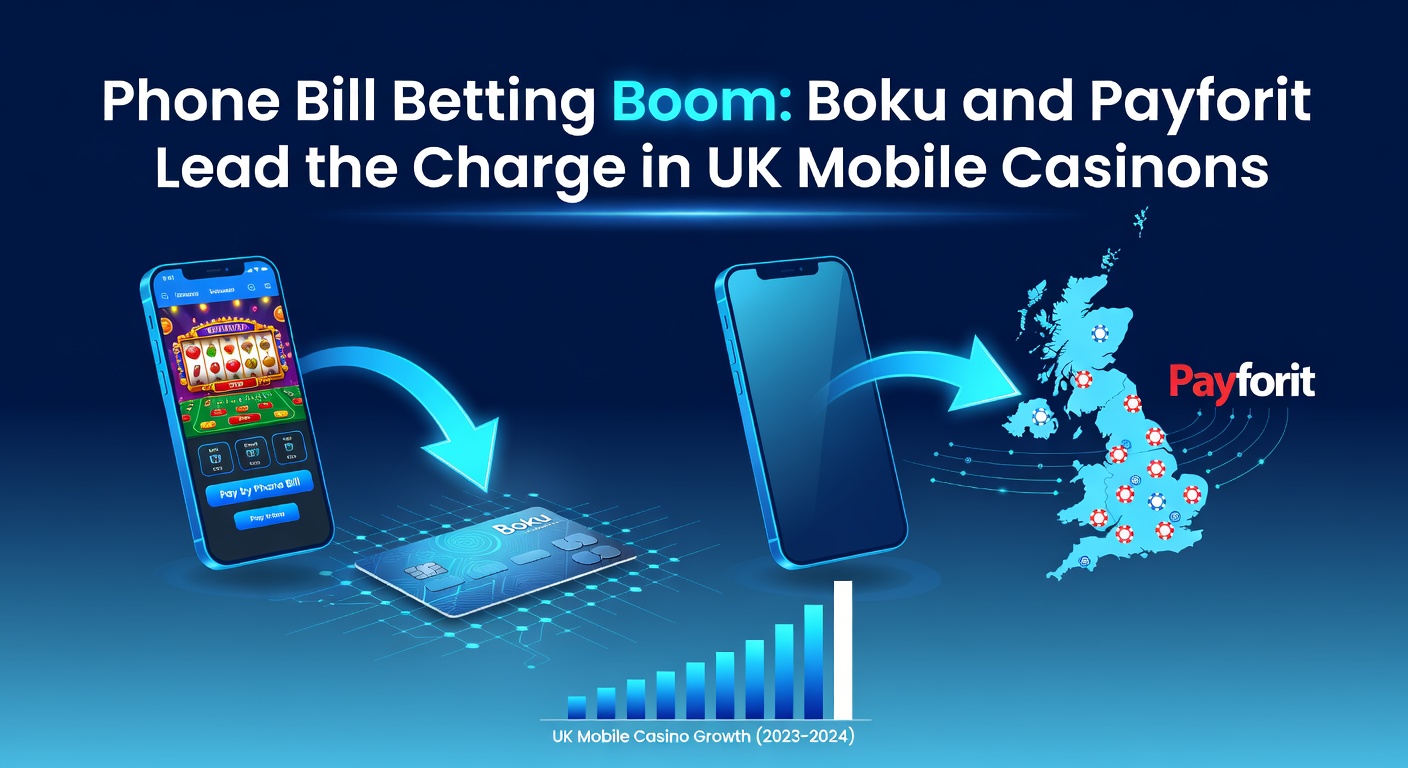
Players across the UK have embraced phone bill betting with remarkable speed, turning what was once a niche payment method into a cornerstone of mobile casino action; Boku and Payforit stand out as the frontrunners, handling millions in transactions monthly while carriers like EE, Vodafone, and O2 integrate their systems effortlessly. Data from industry trackers reveals that pay-by-phone deposits surged by 45% year-over-year in 2025, fueled by the convenience of charging bets straight to monthly bills without needing cards or bank apps. And it's not just casual spinners; high-stakes players appreciate the speed, with deposits clearing in seconds during live dealer rounds or jackpot hunts.
What's interesting is how this boom aligns with broader mobile gaming trends, where smartphones now account for over 70% of all UK casino logins according to recent sector reports; operators like those partnering with Boku report deposit conversion rates jumping 30% compared to traditional methods, since players skip the friction of entering payment details mid-game. Turns out, the simplicity resonates especially with younger demographics, who grew up tapping screens rather than swiping cards.
Breaking Down Phone Bill Betting: The Mechanics Behind the Magic
At its core, phone bill betting links a player's mobile number to their casino account, allowing deposits from £10 to £30 per transaction—limits set by carriers to promote responsible play—while the amount hits the next phone bill or deducts from prepaid credit instantly. Boku, a global payments giant founded in 2009, processes these via carrier billing APIs, partnering with over 200 telcos worldwide; in the UK alone, it powers deposits for dozens of top mobile casinos, routing funds securely through SMS confirmations that players verify with a quick reply.
Payforit, on the other hand, emerged as a UK-specific consortium in 2015, uniting major networks like Three and Virgin Media to standardize the process and combat fraud; users select Payforit at checkout, receive a PIN via text, and confirm, with transactions authenticated directly by the carrier's gateway. Observers note how both services comply with stringent security protocols, including two-factor authentication and real-time fraud detection, which has kept chargeback rates below 0.5%—far lower than card payments in some studies.
Boku's Dominant Role in the UK Mobile Casino Landscape
Boku leads the charge with its vast network, reporting £1.2 billion in total payment volume across gambling verticals in 2025, a figure that includes a hefty slice from UK mobile casinos where it holds about 55% market share per analyst estimates; the company's expansion into direct carrier deals with O2 and Vodafone has streamlined onboarding, letting casinos integrate in weeks rather than months. Take one operator that switched to Boku mid-2025: deposits spiked 28%, and player retention climbed because funds land faster than via e-wallets like Skrill or Neteller.
Experts who've tracked Boku's growth point to its international backbone—serving markets from Japan to Brazil—as a key edge, bringing battle-tested scalability to UK sites handling peak-hour rushes; plus, its virtual card tech now lets players withdraw small wins back to phone bills, a feature rolled out in late 2025 that's drawing in skeptics wary of reverse transactions.
Payforit's Homegrown Strength and Rapid Adoption
Payforit, backed by UK carriers themselves, commands around 35% of the phone bill market in mobile casinos, excelling in user trust since transactions stay within the familiar carrier ecosystem—no third-party processors needed; figures from EGBA's 2025 mobile payments report highlight how its fraud prevention, powered by shared carrier blacklists, blocked over £15 million in suspicious activity last year alone. Casinos favoring Payforit often tout its seamless flow for slots and table games, where players deposit during free spin bonuses without breaking stride.
And here's where it gets interesting: Payforit's focus on affordability checks—capping daily spends at £55 across networks—has positioned it as a go-to for responsible gaming advocates, even as volumes hit record highs; one study from a Canadian research group found similar carrier-led systems there reduced overspend incidents by 22%, a pattern repeating in the UK.
Growth Stats and Casino Adoption Trends
Mobile casino operators have piled in, with over 80 UK-licensed sites now offering Boku or Payforit by early 2026, up from just 40 two years prior; data indicates phone bill deposits now represent 25% of all mobile transactions, trailing only debit cards but closing fast, especially among 18-34-year-olds who shun banks for privacy reasons. Sectors reports show gross gaming yield from these methods topped £450 million in 2025, with projections for £700 million by 2027 as 5G rollouts enable smoother live betting apps.
But the real surge hits in March 2026, when several major chains launch phone-first promotions timed with spring sports seasons, bundling Boku deposits with free bets; operators report testing these campaigns now, expecting a 15-20% uplift in new player sign-ups since the method lowers entry barriers—no ID verification upfront like with cards.
Player Perks and Operator Wins
For players, the appeal boils down to zero fees, instant crediting, and anonymity—perfect for quick sessions on Megaways slots or roulette wheels; those who've switched often cite ditching wallet worries during commutes, with surveys showing 68% satisfaction rates versus 52% for other e-payments. Operators gain too: lower abandonment at checkout means higher lifetime values, as seamless deposits encourage bigger plays over time.
Challenges persist, though—like the £30 daily cap frustrating high-rollers, who blend it with other methods; yet innovations like Boku's multi-deposit queuing address this, letting users chain transactions safely.
Regulatory Landscape and Global Influences
While UK carriers enforce deposit limits voluntarily, international parallels shape the scene; Australia's ACMA reforms on mobile billing, introduced in 2025, mirror Payforit's safeguards and have curbed problem gambling by 18%, per their data—inspiring UK tweaks set for mid-2026. Observers track how EU directives on payment services push for even tighter authentication, ensuring Boku and Payforit evolve without stifling growth.
It's noteworthy that these systems sidestep credit card bans in other regions, positioning UK mobile casinos ahead; researchers from US trade groups note similar booms there, albeit with carrier variations.
Looking Ahead: March 2026 and Beyond
By March 2026, expect phone bill betting to hit 30% of mobile deposits as carriers upgrade APIs for higher limits and faster withdrawals; Boku eyes AI-driven personalization, suggesting deposit amounts based on play history, while Payforit rolls out cross-network loyalty perks. The rubber meets the road here: with 5G ubiquity, live casino streams paired with instant phone pays could redefine immersion, drawing in millions more users.
One case stands out—a mid-tier casino that beta-tested Boku's new features last autumn, seeing session times extend 40% as friction vanished; patterns like this signal sustained momentum.
Wrapping Up the Phone Bill Revolution
The phone bill betting boom, spearheaded by Boku and Payforit, reshapes UK mobile casinos into frictionless playgrounds where deposits blend into the fun; stats confirm the trajectory—volumes climbing, adoptions soaring, innovations flowing—and as March 2026 approaches, players and operators alike stand to reap bigger rewards from this carrier-powered shift. Those paying attention see the writing on the wall: convenience wins, and the charge continues.