Licensing Standards Push Mobile Live Casino Platforms Toward Greater Personalization
Written by Jordan Lorenz · Jul 31, 2026
Licensing Standards Push Mobile Live Casino Platforms Toward Greater Personalization
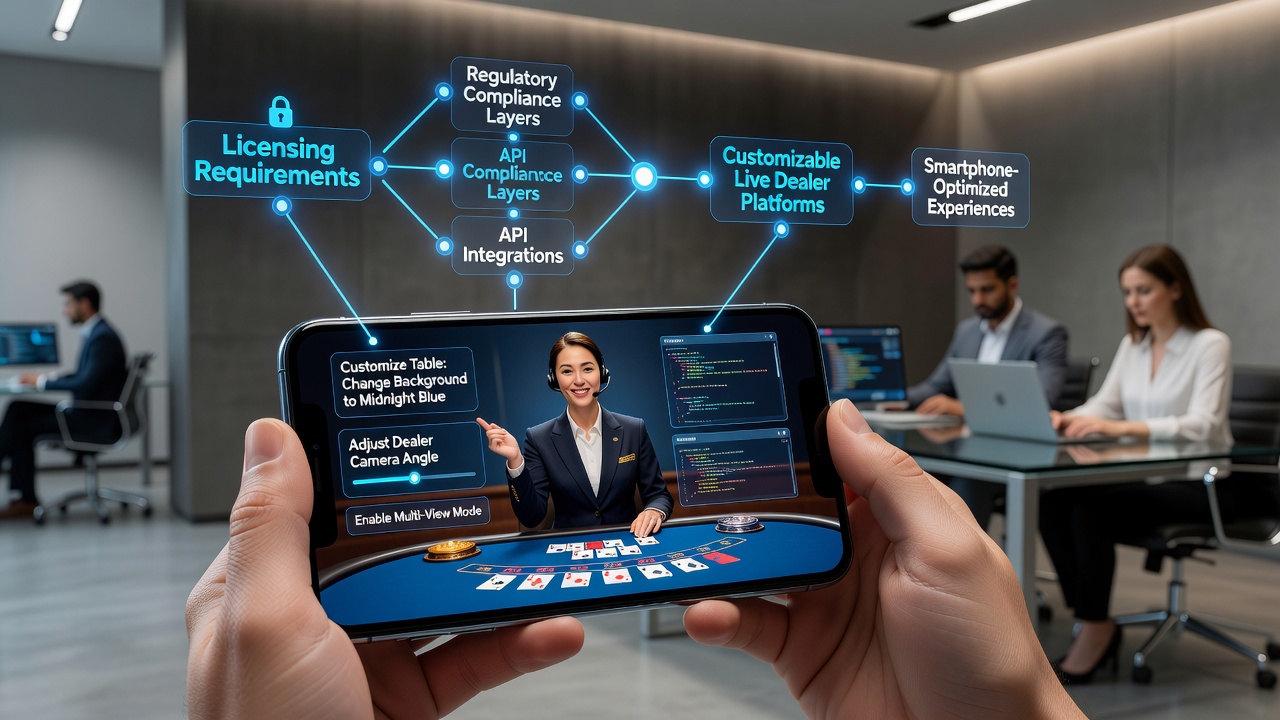
Regulatory licensing across multiple jurisdictions now requires live casino operators to build smartphone applications that adapt to individual player preferences while meeting strict compliance rules, and this shift has accelerated since early 2025. Jurisdictions such as New Jersey and Ontario mandate features including real-time responsible gaming tools, multi-language support, and device-specific interface adjustments, which in turn compel developers to embed customization layers directly into mobile platforms.
Regulatory Drivers Behind Mobile Customization
Authorities in the United States and Canada have introduced licensing conditions that tie approval to the presence of adaptive interfaces, and operators must demonstrate how their apps accommodate varying screen sizes, accessibility needs, and regional restrictions. The New Jersey Division of Gaming Enforcement, for instance, requires documented proof that live dealer streams adjust camera angles and table limits based on user settings, while similar provisions appear in Ontario's iGaming framework. These stipulations emerged from broader efforts to enhance player control and reduce unauthorized access across mobile networks.
What's interesting is how these rules intersect with July 2026 implementation deadlines in several markets, where updated technical standards will demand even finer granularity in personalization options. Developers respond by integrating modular code that lets users select preferred dealer perspectives, adjust notification frequencies, and toggle between different betting formats without leaving the application.
Technical Adaptations in Live Dealer Applications
Smartphone hardware variations force operators to create flexible streaming protocols that licensing bodies now evaluate during audits, and this process has led to widespread adoption of cloud-based rendering solutions. Applications can scale video quality automatically based on connection strength while preserving regulatory overlays such as session timers and deposit limits. Observers note that companies with licenses in multiple regions often maintain separate code branches to satisfy distinct requirements from bodies like the Malta Gaming Authority and the Australian Communications and Media Authority.
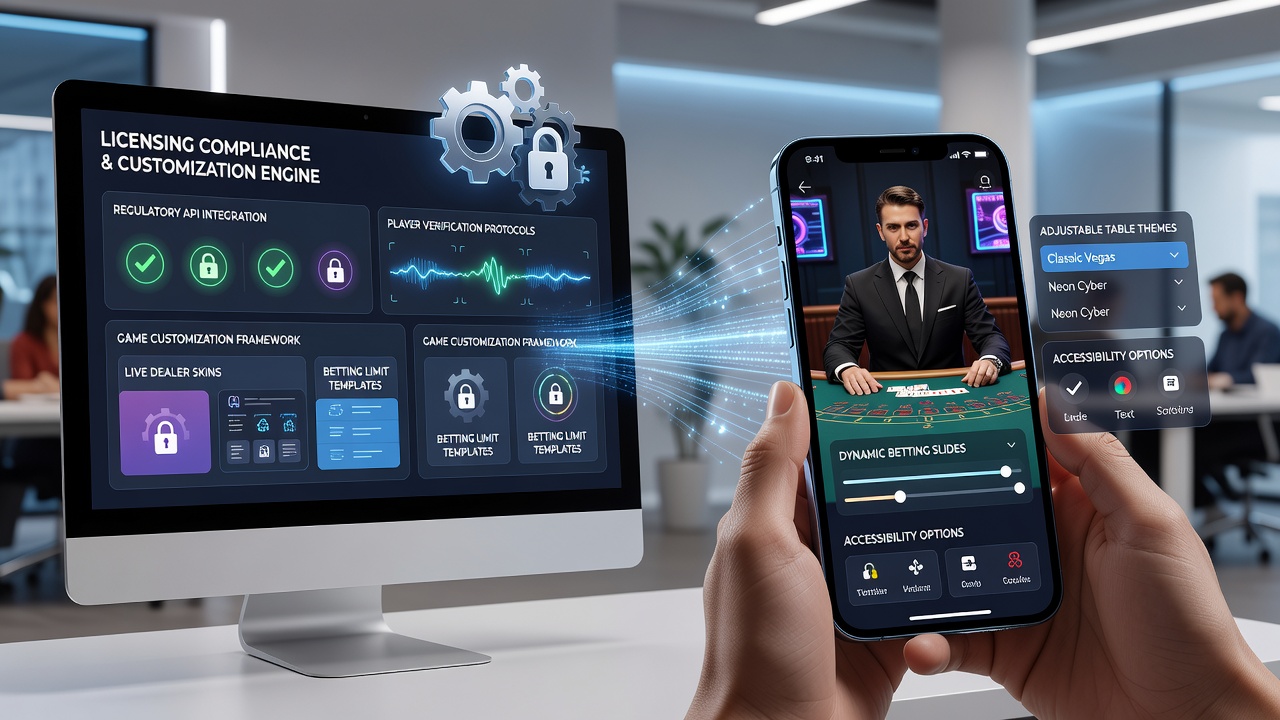
One study from a Canadian research consortium revealed that licensed platforms incorporating user-selectable interface themes experienced higher retention rates in controlled testing environments, and similar patterns appear in reports from European operators. These customizations include options to change color schemes for visual accessibility, rearrange control panels, and set default stake levels that comply with local maximums. Licensing reviews therefore treat such features as essential rather than optional enhancements.
Impact on Development Practices and Partnerships
Software providers now collaborate earlier with regulatory consultants during the licensing phase, and this approach ensures that customization tools receive approval before full deployment. Data from industry associations shows that projects incorporating accessibility modules at the design stage reduce revision cycles by measurable margins. Platforms licensed for smartphone distribution must also integrate third-party verification services that allow users to customize privacy settings while maintaining audit trails required by oversight agencies.
Turns out the combination of these mandates creates a feedback loop where player feedback directly informs subsequent updates, provided those changes stay within approved parameters. Operators track usage patterns through anonymized analytics that licensing conditions explicitly permit, and this information guides refinements to live dealer interaction options across different device models.
Global Variations in Licensing Approaches
European markets emphasize data protection integration within customizable apps, whereas North American frameworks focus more on financial limit tools that users can configure per session. Australian regulators have added requirements for location-based restrictions that trigger automatic interface adjustments when players cross jurisdictional boundaries. Each system pushes developers toward unified codebases capable of handling these variations through configuration files rather than complete rebuilds.
Research indicates that operators holding licenses across these regions allocate increasing portions of their mobile budgets to compliance-driven customization, and the trend shows no sign of slowing as technical standards continue to evolve. Partnerships with academic institutions have produced guidelines that help align these features with both regulatory expectations and hardware capabilities.
Conclusion
Licensing requirements continue to shape the architecture of smartphone live casino experiences by demanding verifiable customization capabilities that address player protection, accessibility, and regional compliance simultaneously. As July 2026 approaches, operators and developers maintain focus on modular systems that satisfy multiple oversight bodies without sacrificing functionality. The result is a steadily expanding range of adaptive tools that users encounter across licensed platforms worldwide.