Inside the Vault: How Advanced Security Layers Are Redefining Trust in Online Gaming Transactions
Written by Felix Vogel · Jun 12, 2026

Inside the Vault: How Advanced Security Layers Are Redefining Trust in Online Gaming Transactions
Online gaming platforms have layered multiple security protocols into payment systems since the early 2020s, and those measures continue to evolve through June 2026 as transaction volumes climb worldwide. Developers integrate encryption standards alongside behavioral analytics while regulators in various regions require independent audits that verify each layer operates as intended. Observers note that players complete deposits and withdrawals without interruption once the system confirms identity through several checkpoints that run simultaneously.
Core Components Driving Modern Transaction Protection
Encryption protocols form the foundation because they convert sensitive card details and account numbers into code that remains unreadable during transmission, and companies such as those following PCI DSS standards maintain certification through annual testing. Multi-factor authentication adds another barrier by requiring a password plus a time-sensitive code sent to a registered device, whereas tokenization replaces actual payment data with unique identifiers that hold no value if intercepted. Behavioral monitoring tools track patterns such as login times and spending habits so that unusual activity triggers an automatic hold until verification occurs.
Researchers at institutions including the University of Nevada, Reno have examined how these combined elements reduce fraud rates across digital entertainment sectors, and their published findings show measurable drops in unauthorized access attempts when all layers activate together. Industry groups like the European Gaming and Betting Association compile similar statistics from member operators that demonstrate consistent improvements in transaction success rates once authentication processes streamline.
Blockchain and AI Integration in Payment Flows
Blockchain ledgers record each transfer on a distributed network that prevents retroactive changes, which gives operators and players an immutable audit trail for every deposit or payout processed through supported wallets. Smart contracts execute automatically once predefined conditions are met, eliminating delays that once arose from manual reviews. Artificial intelligence models scan thousands of transactions per second to flag anomalies such as rapid successive bets from new accounts or geographic mismatches that deviate from established user profiles.
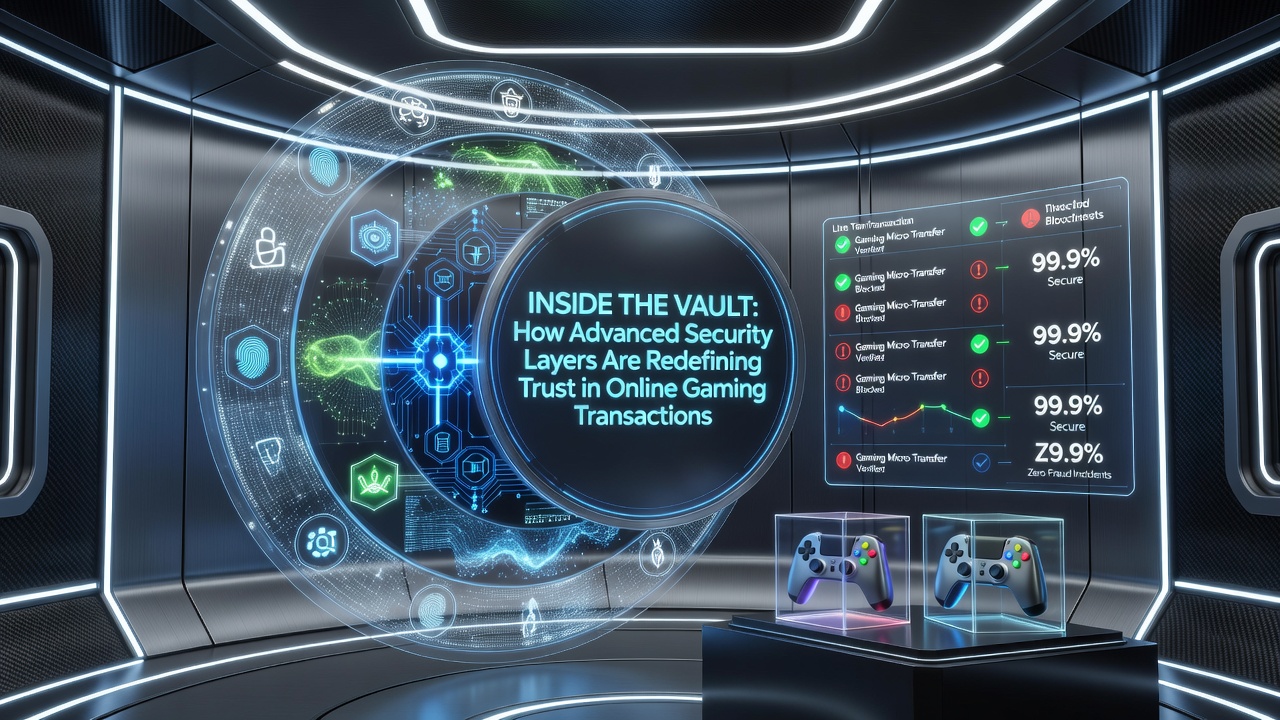
Those who operate platforms in North America and parts of Asia report that AI-driven alerts have cut manual intervention time by significant margins, while Canadian regulatory bodies have documented parallel outcomes in licensed markets where real-time verification occurs. Data from these sources indicates that players experience fewer interruptions during withdrawals because flagged items resolve faster through automated cross-checks rather than prolonged human review.
Regional Regulatory Influences on Security Standards
Authorities in the United States, particularly the Nevada Gaming Control Board, enforce strict requirements for data storage and transmission that exceed basic federal guidelines, and operators must demonstrate compliance through third-party testing before receiving renewal of their licenses. Australian state commissions apply comparable rules that emphasize player fund segregation so that gaming revenue remains separate from operational accounts at all times. European frameworks add emphasis on transparency reporting that details every security incident and the corrective steps taken afterward.
What's interesting is how these regional differences push technology providers to develop modular solutions that adapt to local rules without requiring complete system overhauls. One study revealed that platforms serving multiple jurisdictions maintain separate encryption keys for each market to satisfy varying retention periods, and this approach has become standard practice among larger operators.
Player Experience and Trust Metrics
Trust builds when withdrawal times shorten and confirmation messages arrive promptly, and operators track these metrics through post-transaction surveys that feed back into system refinements. Platforms that display real-time security status indicators allow users to see which verification steps have completed, which reduces uncertainty during larger transfers. External audits published by independent labs further reinforce confidence because they confirm that no single point of failure exists within the payment architecture.
Turns out the combination of visible safeguards and documented compliance records correlates with higher retention rates across different player demographics, according to aggregated reports from research firms that monitor global digital entertainment trends. Those who've studied user behavior note that transparent communication about security features leads to fewer support inquiries related to transaction concerns.
Conclusion
Security architectures in online gaming continue to advance through layered technologies that address encryption, authentication, monitoring, and regulatory compliance simultaneously. Platforms that maintain these standards report stronger operational stability and clearer audit trails, which support continued growth in transaction volumes through 2026 and beyond. Data from diverse regulatory and academic sources shows that coordinated implementation of these measures produces measurable reductions in risk while preserving seamless user experiences across markets.