Game Aggregator Platforms Fueling International Game Variety in UK Licensed Casinos
Written by Jordan Schmitz · Jun 24, 2026

Game Aggregator Platforms Fueling International Game Variety in UK Licensed Casinos
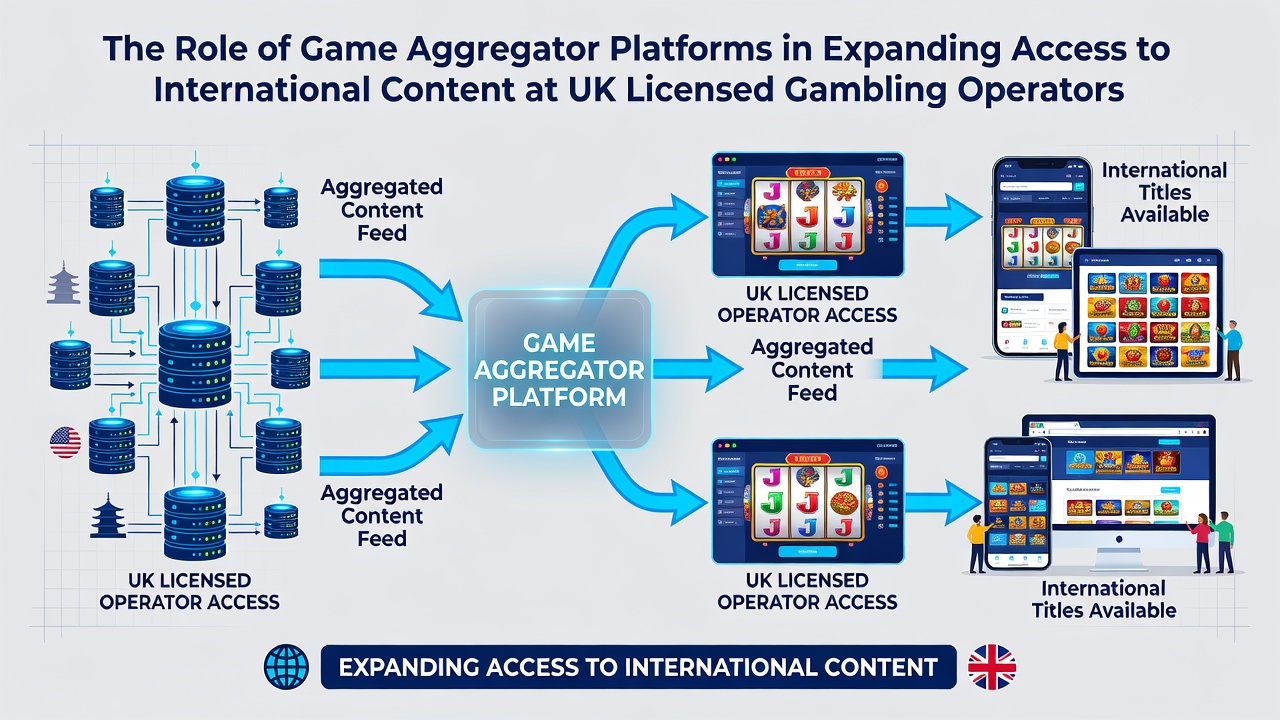
Game aggregator platforms serve as centralized distribution networks that connect international content providers with operators holding UK licenses, and they streamline the delivery of titles developed across multiple jurisdictions into regulated environments. These systems handle licensing agreements, technical integrations, and compliance checks that allow operators to access thousands of games without negotiating separately with each studio.
Core Functions of Aggregators in Licensed Markets
Operators at UK venues rely on aggregators to manage game libraries that span European, North American, and Asian developers, while aggregators maintain API connections that push updates and new releases in real time. Data from industry reports indicates that a single aggregator can host content from over 150 studios, which reduces the technical burden on individual sites and accelerates the rollout of fresh titles.
Technical compatibility forms another key service, because aggregators convert games into formats approved for UK systems and they ensure RNG certifications align with local standards. This process eliminates repeated testing cycles that smaller operators would otherwise face when sourcing content directly from overseas studios.
Access to International Content Expands Through Aggregators
International providers gain entry into UK licensed venues primarily through aggregator partnerships rather than direct operator contracts, and this model allows smaller studios in markets such as Malta, Sweden, and Canada to reach British players without establishing local entities. Aggregators negotiate bulk licensing deals that cover multiple operators at once, which lowers entry costs for both creators and venues.
June 2026 figures released by the European Gaming and Betting Association show that aggregator-distributed titles accounted for 68 percent of new game launches at UK sites during the preceding twelve months, and the report highlights increased representation from developers based in Australia and the United States. The same data reveals that live dealer formats originating in Eastern Europe now appear on 92 percent of aggregator-powered platforms serving British operators.
Operational Efficiency and Compliance Support
Aggregators maintain centralized dashboards that track player activity across all integrated games, which helps operators monitor responsible gaming metrics without building separate tools for each content source. These platforms also store certification records and update them automatically when regulators in other countries issue new approvals, thereby keeping UK venues aligned with broader international standards.
Payment processing integration represents another efficiency layer, because aggregators often bundle game delivery with settlement services that handle multi-currency transactions from studios located outside the UK. Operators therefore avoid managing separate banking relationships for each international provider while still meeting UK financial reporting requirements.
Market Data and Content Diversity Trends
Research published by the Australian Gambling Research Centre in early 2026 documented that aggregator platforms increased the average number of unique game providers per UK operator from 12 in 2021 to 47 by the end of 2025, and the study attributed this growth to standardized integration protocols that reduced onboarding times from months to weeks. The same analysis noted that jackpot network games developed in Canada and Scandinavia now appear regularly on British sites due to aggregator distribution agreements.
Venues that adopted aggregator solutions reported faster rotation of seasonal content, such as limited-time themed releases created for specific holidays or sporting events, because the platforms allow operators to activate or deactivate titles across entire portfolios with a single command. This capability supports promotional calendars that keep game selections aligned with player preferences observed in real-time analytics.
Challenges and Technical Considerations
Latency management remains a technical focus for aggregators serving UK venues, since games hosted on servers located in distant regions must maintain stable connections during live play. Providers address this through content delivery networks that cache game assets at multiple European points, which reduces load times and prevents interruptions during peak hours.
Language localization and currency display adjustments also fall under aggregator responsibilities, and these platforms apply regional settings automatically based on player location data. Operators therefore present titles developed in non-English markets without additional development work, while jackpot amounts convert and display in pounds sterling for UK users.
Conclusion
Game aggregator platforms function as essential intermediaries that expand the range of international content available at UK licensed gambling venues through centralized licensing, technical integration, and compliance management. Industry statistics from multiple regions demonstrate measurable growth in provider diversity and content volume since these systems became widespread, and operators continue to rely on them to maintain competitive game libraries without direct negotiations with every studio. The model supports both established and emerging developers while delivering operational efficiencies that align with the requirements of regulated British markets.