Digital Wallet Trends Among Licensed British Gaming Operators Reveal Shifting Payment Preferences
Written by Jordan Schmitz · Jul 29, 2026
Digital Wallet Trends Among Licensed British Gaming Operators Reveal Shifting Payment Preferences
Digital wallet adoption among licensed British gaming operators has accelerated steadily since the mid-2010s, driven by demands for faster transactions and enhanced security protocols. Operators have integrated solutions such as PayPal, Skrill, Neteller, and Apple Pay into their platforms, with data indicating that e-wallet usage now accounts for a growing share of deposits and withdrawals compared to traditional card methods. Patterns show operators prioritizing mobile-compatible wallets, particularly as smartphone penetration among players reaches higher levels.
Early Adoption Phases and Key Milestones
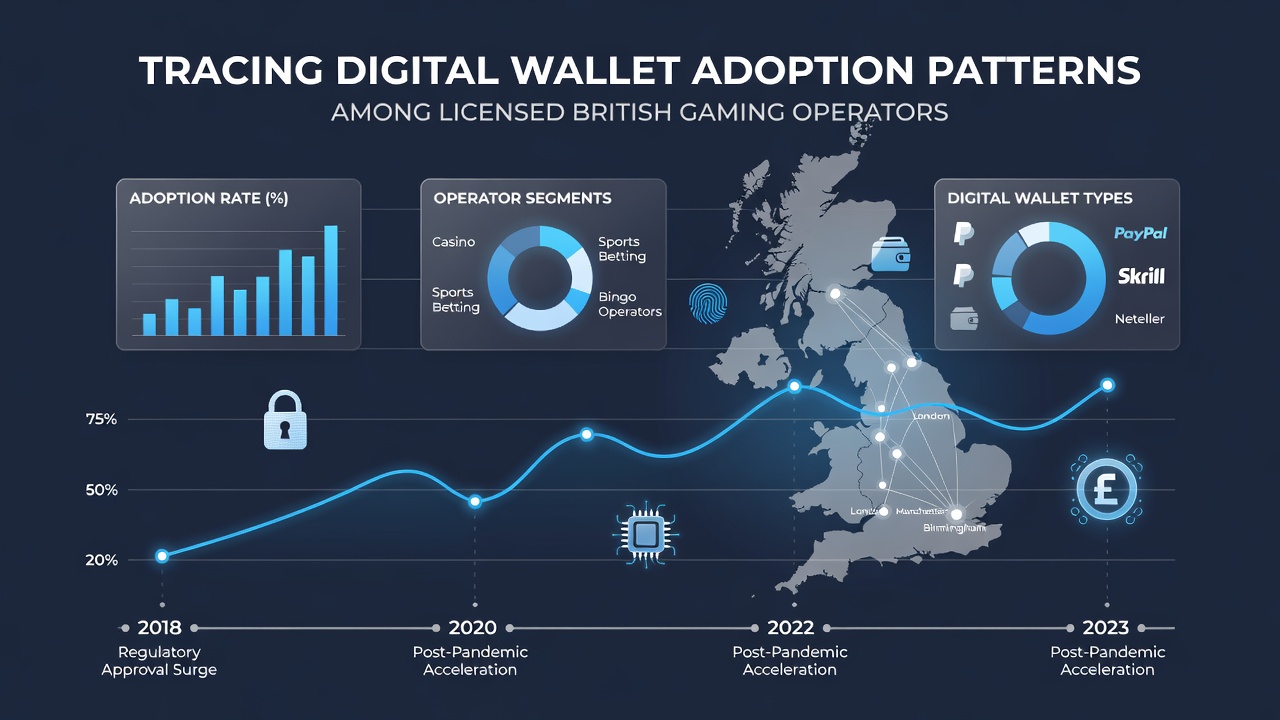
Initial uptake began around 2015 when several major operators added Skrill and Neteller to reduce processing times, and by 2018 e-wallets represented approximately 25 percent of remote gaming transactions according to industry analyses. Growth continued through 2022 as contactless preferences rose during pandemic restrictions, leading many operators to expand Apple Pay and Google Pay options. Researchers tracking these shifts note that smaller operators often followed larger ones in implementation, creating a staggered adoption curve across the sector.
By July 2026 figures reveal e-wallet transactions comprising over 45 percent of total payment volume among licensed operators, a marked increase from earlier baselines. This progression reflects broader European trends where similar patterns emerged in markets with mature regulatory frameworks. Operators report that wallet integrations correlate with higher player retention rates, though exact causation remains under study by independent analysts.
Regional Variations and Operator Strategies
London-based operators have shown faster integration rates than those in regional areas, with data from trade associations indicating urban sites adopting multi-wallet systems first due to higher mobile traffic. Northern operators meanwhile focused on fewer but more secure options like bank-linked e-wallets to address specific compliance needs. One study from a European research institution found that operators offering three or more wallet choices experienced 18 percent higher average transaction values than those limited to single options.
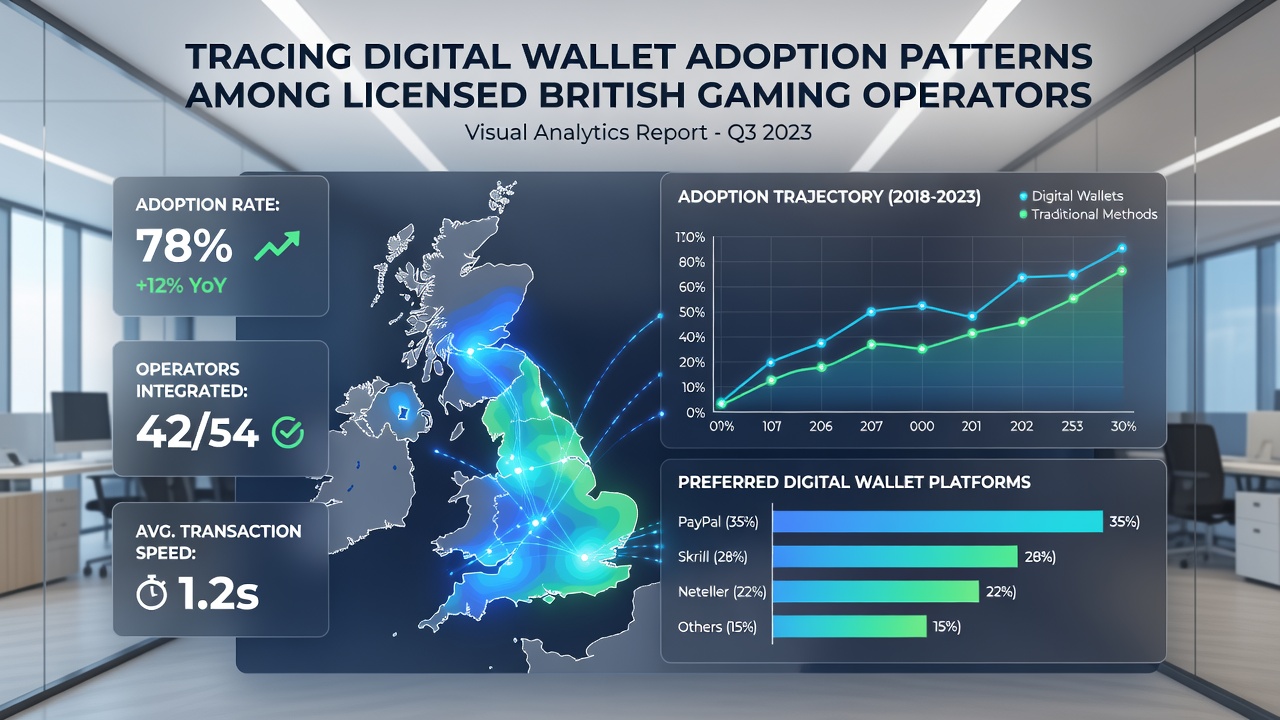
What's interesting here is how operators balance cost structures with player demand. E-wallets often carry lower merchant fees than cards, yet require upfront API development investments. Those who've implemented phased rollouts, starting with high-volume wallets before expanding, typically achieve smoother transitions without service disruptions. Industry observers note that partnerships with providers such as PayPal allow operators to leverage existing user bases, accelerating onboarding processes.
Influencing Factors Behind the Patterns
Security enhancements play a central role, with wallets incorporating two-factor authentication and encryption protocols that exceed basic card standards. Regulatory pressures around payment traceability have also pushed operators toward solutions offering detailed audit trails, while player preferences for instant withdrawals favor e-wallets over bank transfers that can take days. Data from the European Gaming and Betting Association highlights similar accelerations across EU jurisdictions, where wallet adoption mirrors British patterns but with slight variations tied to local banking integrations.
Additional influences include rising fraud concerns that wallets mitigate through tokenized transactions, and the expansion of cryptocurrency-adjacent features in some digital wallets that appeal to tech-savvy segments. Yet operators remain selective, often excluding volatile options to maintain stability. Academic research from institutions in Canada has documented parallel developments, where licensed operators there report comparable shifts toward digital solutions for cross-border player bases.
Future Trajectories and Data Insights
Projections based on current trajectories suggest continued growth through 2027, particularly as biometric authentication becomes standard in wallet apps. Operators are experimenting with embedded wallet features directly in gaming apps to streamline user journeys, and early results from pilot programs show reduced cart abandonment during deposits. Figures from global payment studies indicate British gaming operators align closely with international benchmarks, though they lag slightly behind Australian markets where wallet dominance reached 60 percent earlier.
One case involved a mid-sized operator that consolidated to two primary wallets after testing four options, resulting in streamlined customer support and fewer transaction disputes. Such examples illustrate how data-driven refinements shape ongoing patterns without uniform approaches across the board.
Conclusion
Tracing these adoption patterns demonstrates a clear evolution toward digital wallets among licensed British gaming operators, shaped by technological capabilities, security requirements, and player behaviors. Continued monitoring through 2026 and beyond will clarify whether current trends stabilize or accelerate further as new wallet technologies emerge. The landscape remains dynamic, with operators adapting strategies based on empirical transaction data rather than fixed assumptions.