Data Networks Quietly Personalize Bonuses Across UK Licensed Casino Platforms
Written by Jordan Lorenz · May 18, 2026
Data Networks Quietly Personalize Bonuses Across UK Licensed Casino Platforms
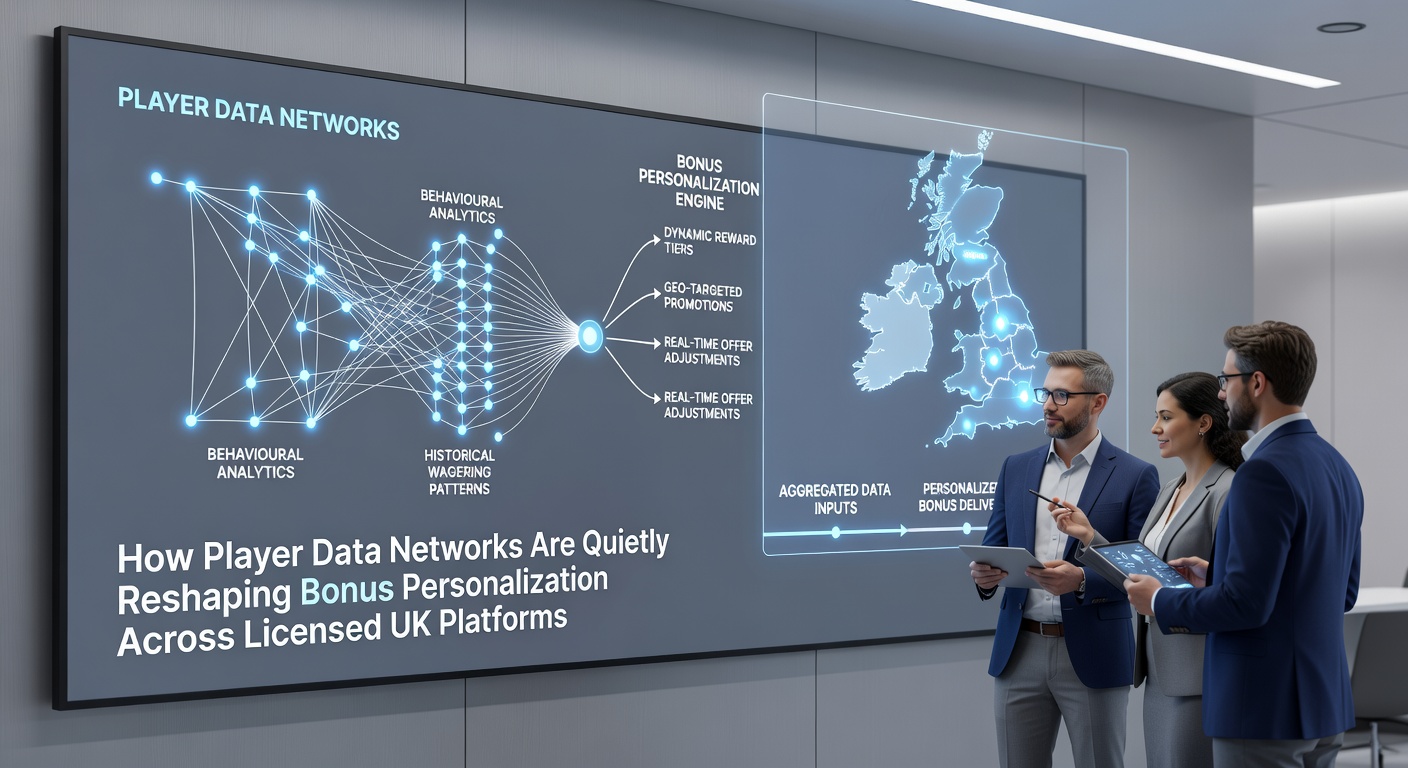
Player data networks operate behind the scenes on licensed UK platforms where operators pool anonymized behavioral signals to refine bonus structures and delivery methods, and this integration has accelerated since early 2025 as technology providers expanded their secure data-sharing protocols. Observers note that these networks aggregate gameplay patterns, deposit frequencies, and session durations across multiple sites without exposing individual identities, which allows systems to generate tailored offers that align with specific user profiles.
Understanding the Infrastructure Behind the Networks
Specialized technology firms maintain encrypted databases that connect participating operators through standardized APIs, and these connections enable real-time updates on player activity while maintaining compliance with broader European data protection frameworks. Research indicates that such infrastructure processes millions of data points daily, according to findings from industry reports published by the European Gaming and Betting Association, and the result is a more granular view of engagement trends that feeds directly into bonus algorithms.
Operators who subscribe to these networks receive segmented insights that highlight when certain player groups respond to free spins versus cashback incentives, yet the underlying data remains stripped of personal identifiers to satisfy privacy regulations. What's interesting is how this setup reduces guesswork in campaign planning because historical performance metrics from similar cohorts guide the timing and value of each offer.
Mechanics of Bonus Personalization
Algorithms analyze aggregated signals to predict optimal bonus types for different segments, and they adjust parameters such as wagering multipliers or expiry windows based on collective response rates observed across the network. Data shows that players who previously engaged with high-volatility slots often receive bonus rounds structured around additional spins rather than deposit matches, while those favoring table games see more frequent reload credits calibrated to their average bet sizes.
Take one operator that integrated network analytics in late 2025 and recorded a measurable uptick in bonus redemption rates after shifting from generic promotions to cohort-specific variants, and similar patterns appear in multiple case studies shared at industry conferences. The process relies on machine learning models trained on anonymized datasets, which means recommendations evolve continuously as new participation data enters the system.
Regulatory Context and Cross-Border Influences
Licensed platforms must navigate overlapping rules from various jurisdictions when implementing these networks, and frameworks established by bodies such as the Irish Data Protection Commission provide guidance on lawful processing of behavioral information. A report from the Australian Communications and Media Authority highlights comparable data-sharing practices in regulated markets, where transparency requirements ensure players receive clear notices about how their activity informs promotional targeting.

Operators incorporate consent mechanisms at registration and at regular intervals thereafter, which maintains alignment with evolving standards while still allowing the networks to deliver value through refined personalization. And because the focus stays on aggregated trends rather than single accounts, the approach sidesteps many individual profiling concerns that regulators scrutinize elsewhere.
Observed Shifts in Player Engagement Patterns
Figures from platform analytics reveal that personalized bonuses distributed through network insights achieve higher completion rates than static campaigns, particularly when offers reflect recent play styles rather than broad demographic assumptions. Researchers at institutions tracking gaming behavior, including studies referenced in the Journal of Gambling Studies, have documented how such targeted incentives correlate with extended session lengths among low-to-medium risk groups without increasing overall spend disproportionately.
What's significant is the quiet nature of this evolution because players rarely notice the underlying coordination and instead experience only the relevance of the offers they receive. By May 2026 analysts expect further refinements as networks incorporate predictive elements drawn from seasonal trends and emerging game categories, and early pilots already demonstrate improved retention metrics when offers anticipate player preferences several days in advance.
Future Trajectories for Licensed Platforms
Continued investment in secure data infrastructure points toward deeper integration between networks and live dealer environments, where real-time adjustments could extend to in-play promotions based on collective table activity signals. Industry observers anticipate that smaller operators will increasingly join these ecosystems to access the same level of insight previously available only to larger groups, thereby leveling competitive dynamics across the licensed sector.
Yet the emphasis remains on maintaining clear audit trails and player transparency so that regulatory reviews encounter no surprises when examining how personalization decisions are reached. External evaluations from academic sources continue to stress the importance of ongoing monitoring to confirm that network-driven offers do not inadvertently favor one player segment over others in ways that conflict with fairness principles.
Conclusion
The quiet expansion of player data networks continues to influence how licensed UK platforms structure and time their bonus offerings, driven by aggregated insights that respect privacy boundaries and draw on practices observed in multiple regulated markets. As technology matures and additional operators connect to these systems, the personalization layer is expected to grow more sophisticated while still operating within established compliance parameters.