AI Risk Algorithms Transform Player Protection Systems on Britain's Licensed Gambling Platforms
Written by Leon Carter · Jun 1, 2026
AI Risk Algorithms Transform Player Protection Systems on Britain's Licensed Gambling Platforms
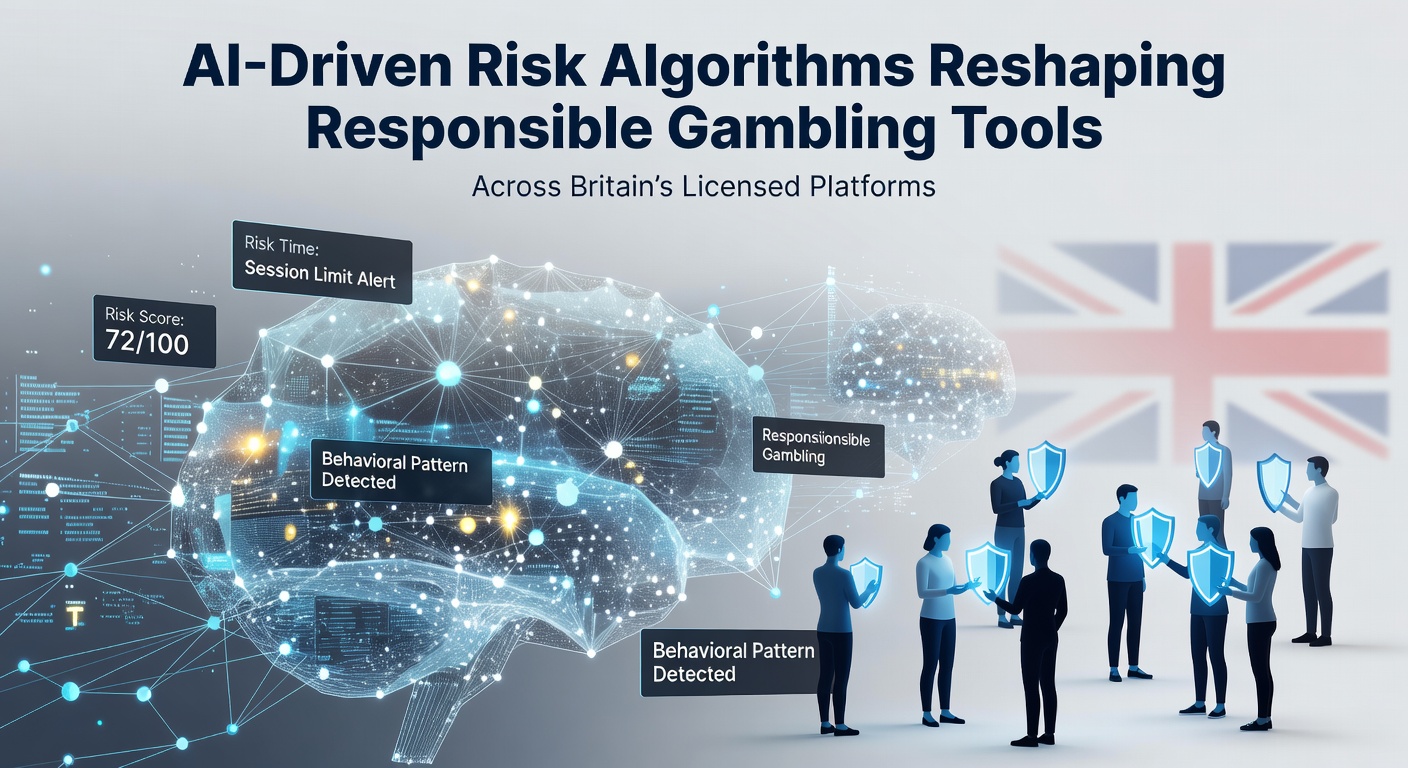
AI-driven risk algorithms now analyze vast datasets of player behavior across Britain's licensed platforms, identifying patterns that static tools once missed entirely, while operators integrate these systems to deliver interventions tailored to individual risk profiles in real time. Data from multiple studies shows machine learning models process metrics such as betting frequency, session duration, deposit patterns, and loss-chasing indicators to flag potential harm before it escalates.
Core Mechanisms Behind Algorithmic Risk Detection
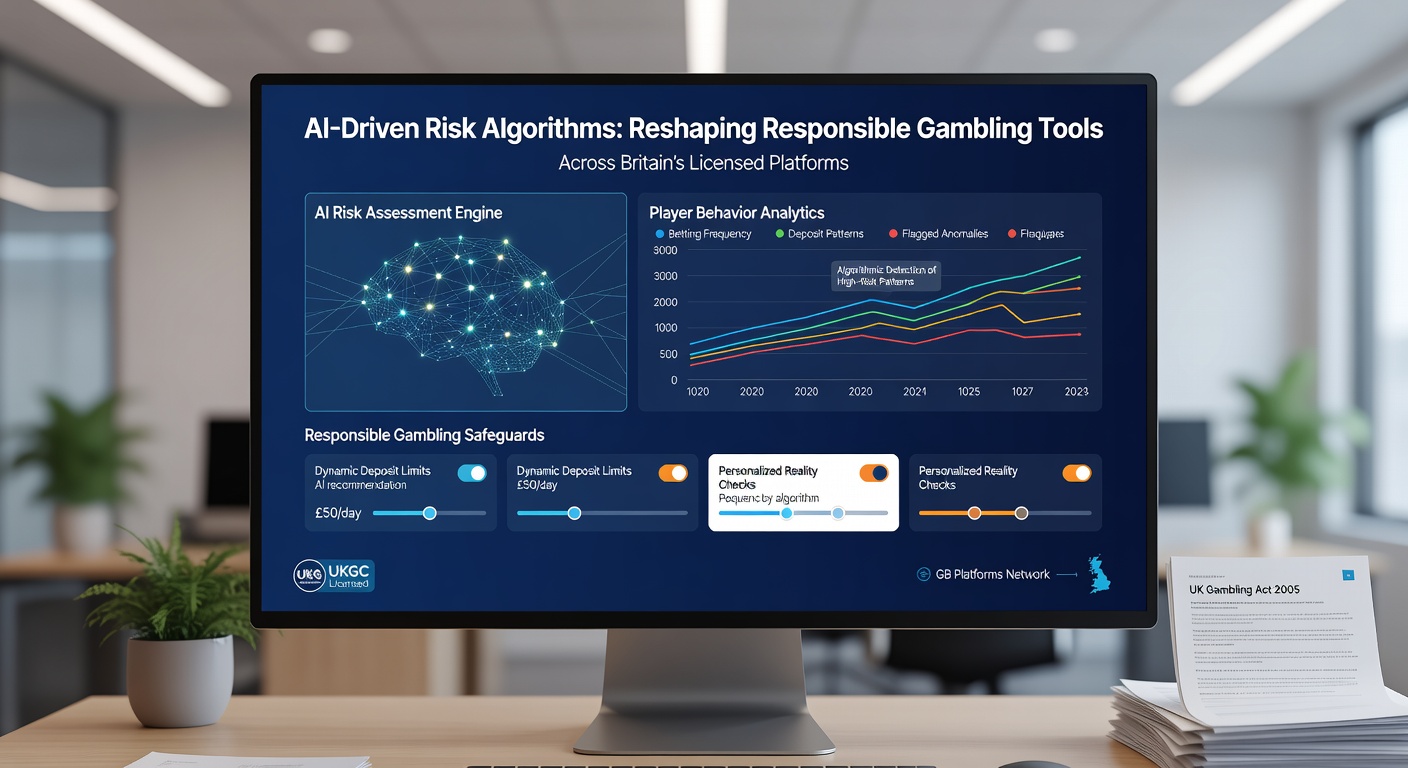
These algorithms rely on supervised learning techniques trained on historical player data, where models learn to correlate specific behavioral sequences with higher-risk outcomes, and unsupervised methods that detect anomalies without predefined labels. Researchers at various institutions have documented how platforms feed anonymized transaction logs into neural networks, which then output risk scores updated continuously throughout each session. Operators apply these scores to adjust responsible gambling features dynamically, such as prompting reality checks at thresholds that vary by user rather than applying uniform timers to everyone.
One implementation involves gradient boosting frameworks that weigh factors like rapid increases in stake sizes alongside time-of-day activity, and this combination allows systems to distinguish between recreational spikes and concerning escalations with greater precision than rule-based alerts from earlier generations. Evidence from industry reports indicates accuracy rates for early detection have improved notably since wider adoption began around 2023, though calibration remains an ongoing process as new data streams emerge.
Integration With Existing Responsible Gambling Frameworks
British platforms have layered AI outputs onto established mechanisms including deposit limits, cooling-off periods, and self-exclusion registers, creating hybrid tools that respond to live risk assessments instead of fixed parameters set at account creation. For instance, when an algorithm detects elevated risk through clustered high-velocity bets, it can automatically tighten deposit caps for that account while notifying support teams, and such adjustments occur without requiring manual staff review in most cases.
What's interesting here is how these systems handle multi-platform play, since many licensed operators now share aggregated signals through secure data exchanges that respect privacy regulations. This cross-operator visibility helps algorithms identify users who might migrate activity after hitting limits on one site, a pattern documented in analyses from European regulatory bodies outside the UK. Platforms then coordinate softer interventions like personalized messaging that references overall activity rather than isolated sessions.
Developments Expected by June 2026
By June 2026, several major platforms anticipate full deployment of next-generation models that incorporate biometric signals from device interactions, such as swipe speed and hesitation patterns during bet placement, and these additions aim to capture emotional states that purely transactional data overlooks. Industry observers note that pilot programs running in 2025 have already demonstrated reduced session lengths among flagged users when combined with adaptive messaging strategies.
Academic partnerships have supplied validation datasets for these expansions, with one collaboration involving Canadian researchers providing comparative benchmarks from North American markets where similar tools operate under different licensing regimes. The result is a shift toward predictive rather than reactive responsible gambling, where platforms intervene based on projected trajectories calculated hours or days ahead.
Challenges in Implementation and Data Handling
Despite the advances, operators face hurdles around model transparency and bias mitigation, since black-box algorithms can produce risk classifications that staff struggle to explain to players during support interactions. Groups like the National Council on Problem Gambling have highlighted the need for explainable AI techniques that break down contributing factors in plain language. Platforms address this by generating summary reports alongside scores, allowing users to understand why certain features activated.
Data privacy remains central, with all processing conducted under strict encryption protocols and consent frameworks that let players opt out of algorithmic monitoring where regulations permit. Figures from EU-based research consortia reveal that opt-out rates stay low when platforms communicate benefits clearly, suggesting most users accept the trade-off for enhanced safeguards.
Conclusion
AI risk algorithms continue to evolve the toolkit available to Britain's licensed platforms, moving responsible gambling from broad-brush policies toward individualized, evidence-driven responses that adapt as player behavior unfolds. Integration with established features strengthens overall efficacy, while upcoming enhancements scheduled around June 2026 promise further refinement through expanded data inputs. Those who have examined these systems across multiple jurisdictions observe consistent patterns of improved detection timelines, although ongoing calibration and transparency efforts will determine long-term outcomes.