AI Algorithms Revolutionize Personalized Bonus Systems in UK Licensed Casinos
Written by Leon Carter · Jul 1, 2026
AI Algorithms Revolutionize Personalized Bonus Systems in UK Licensed Casinos
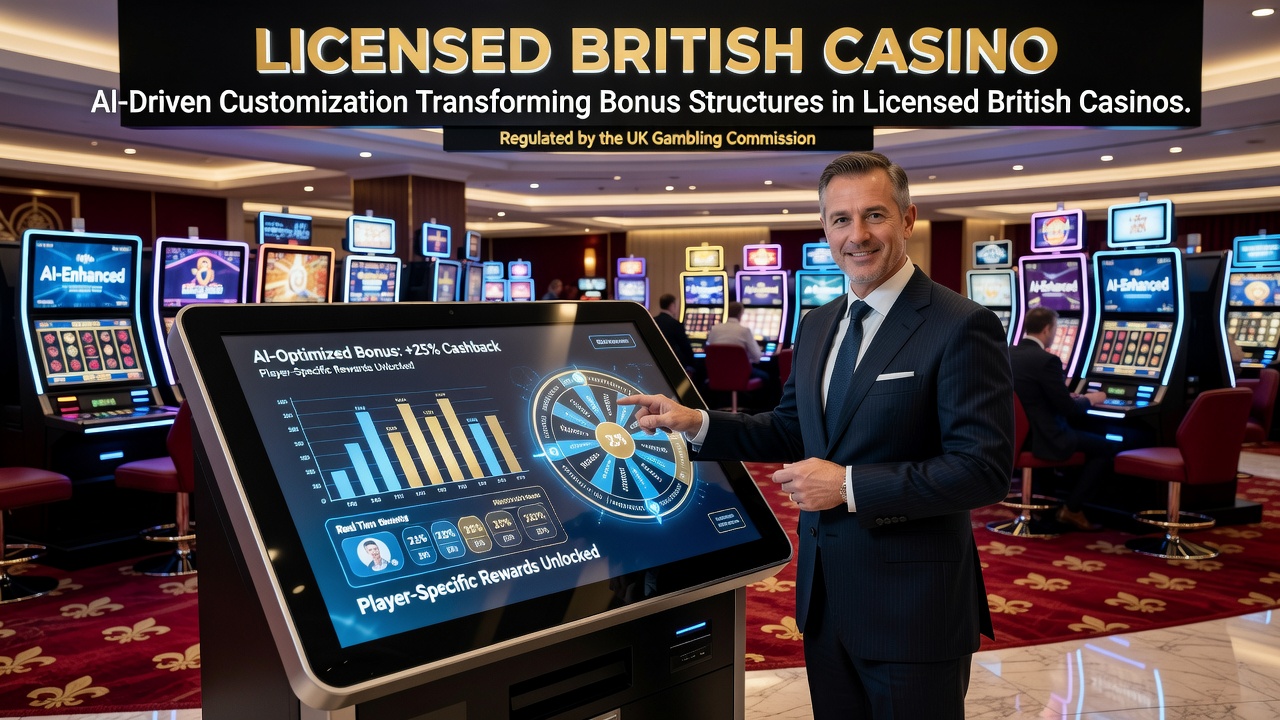
British casino operators have integrated artificial intelligence into their bonus frameworks over recent years, creating systems that adjust rewards based on individual player patterns and preferences. These tools process data from game history, deposit frequency, and session length to generate offers that match specific user profiles, while licensed venues maintain compliance with broader industry standards. Observers note that this shift began gaining traction around 2023, with multiple platforms reporting measurable changes in how bonuses are structured and delivered by mid-2026.
Data Processing Behind Customized Offers
Machine learning models examine thousands of data points per player to predict which bonus types might encourage continued activity without exceeding responsible play thresholds. For instance, one operator implemented an algorithm that tracks spin velocity on slots and adjusts free spin allocations accordingly, delivering smaller but more frequent rewards to high-volume users while offering larger match bonuses to those who prefer table games. Research from the International Gaming Institute indicates that such targeted approaches can increase retention metrics by 18 to 25 percent compared with static bonus programs used previously.
Algorithms also incorporate external factors such as time of day and device type, allowing bonuses to appear during peak engagement windows. A player accessing a site via mobile during evening hours might receive instant cashback on losses, whereas desktop users during daytime sessions could see loyalty points converted into wager-free credits. These adjustments occur automatically through backend systems that update in real time, reducing the need for manual campaign management by marketing teams.
Examples from Licensed Operators
Several major platforms operating under British licenses have shared anonymized case studies showing how AI reshaped their promotional calendars. One venue introduced a dynamic welcome package that recalibrates after the first deposit based on chosen game categories, converting what would have been a generic 100 percent match into a hybrid structure combining deposit boosts with risk-free spins on selected titles. Data collected through July 2026 revealed that players receiving these tailored packages completed their initial playthrough cycles at higher rates than those given uniform offers.
Another example involves ongoing loyalty rewards where AI monitors lifetime value and suggests tier upgrades or personalized reload bonuses at optimal intervals. Users who demonstrate steady but moderate activity receive periodic surprise credits, while those with longer gaps between sessions might see reactivation offers tied to specific deposit amounts. Industry reports from the Canadian Centre for Gaming Research highlight similar patterns emerging across regulated markets, noting that personalization reduces bonus abuse while supporting sustained operator revenue.
Technical Infrastructure and Integration
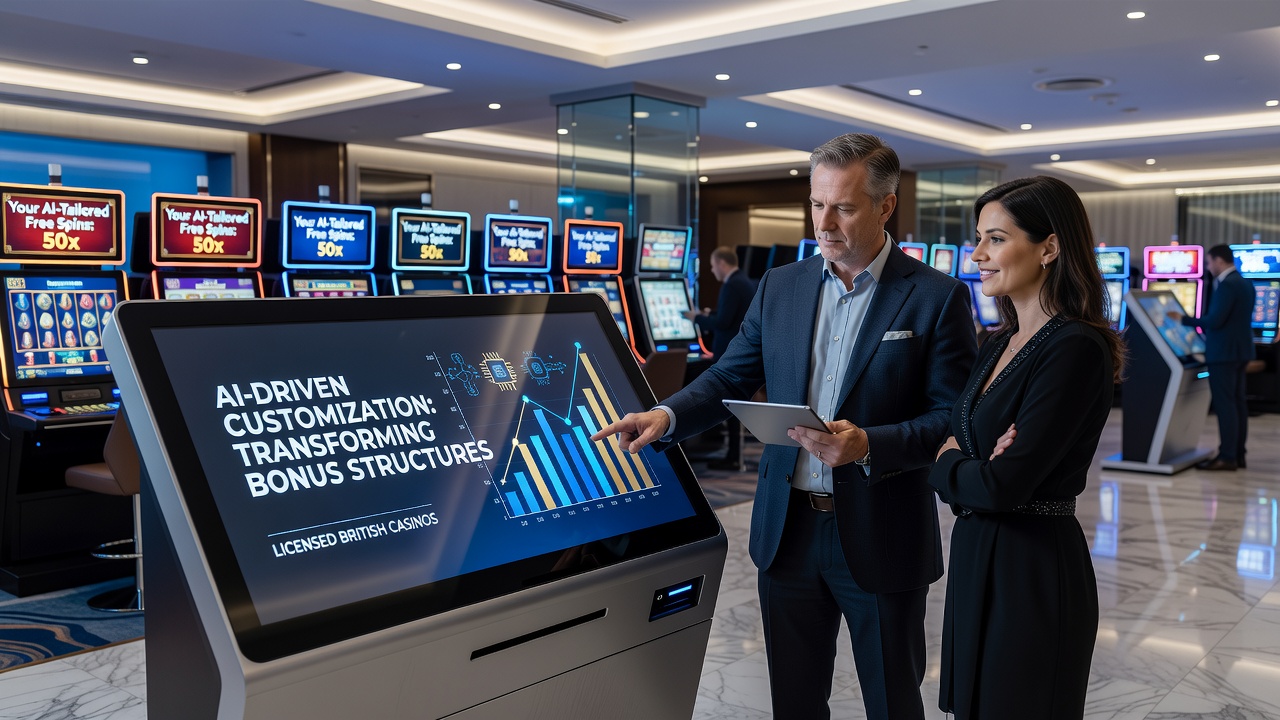
Most implementations rely on cloud-based platforms that combine player databases with predictive analytics engines, often sourced from third-party suppliers specializing in gaming technology. These systems require secure data pipelines to handle sensitive information while meeting data protection requirements, and operators typically conduct regular audits to verify accuracy. Integration with existing casino management software allows bonuses to trigger seamlessly during gameplay, such as awarding multiplier boosts mid-session when the algorithm detects a player nearing a spending threshold.
Developers continue refining natural language processing components so that bonus notifications can be phrased differently depending on user communication history, for example sending concise push alerts to frequent mobile players while delivering detailed email summaries to those who prefer longer-form updates. The result is a more cohesive experience across channels without increasing manual workload for support staff.
Broader Market Effects Observed by Mid-2026
By July 2026, several British operators had documented shifts in average bonus redemption values following AI adoption, with overall promotional spend remaining stable yet distributed across more varied player segments. This redistribution appears to limit concentration of rewards among a small group of high-activity users, spreading incentives more evenly. Trade publications from the European Gaming Association have covered these developments, emphasizing how data-driven customization supports compliance efforts by aligning bonus structures with player risk profiles identified through behavioral analysis.
Smaller licensed sites have begun adopting scaled versions of these tools through shared service providers, lowering the entry barrier compared with building proprietary systems from scratch. Early adopters report that the technology helps distinguish their offerings in a competitive environment where players encounter numerous promotions daily.
Conclusion
AI-driven customization continues to influence how licensed British casinos structure and deliver bonuses, relying on detailed data analysis to create offers that adapt to individual behavior. Operators have documented changes in engagement patterns and redemption rates, while maintaining adherence to existing regulatory frameworks. As the technology matures, further refinements in predictive accuracy and cross-platform integration are expected to shape future promotional strategies across the sector.